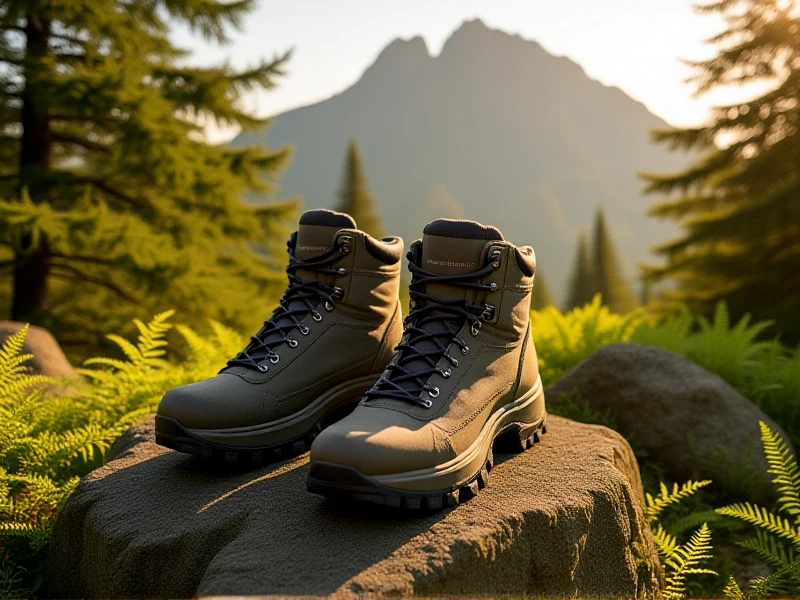
The Ultimate Guide to Choosing the Right Hiking Boots
Sturdy hiking boots are the foundation of every great outdoor adventure. Whether you're tackling rocky trails or wandering through misty forests, the right pair makes all the difference. But with countless styles and features available, selecting your perfect match can feel overwhelming. Let's break down what truly matters.
Anatomy of Performance Modern hiking boots blend durability and comfort with cutting-edge materials. Waterproof membranes like Gore-Tex prevent soggy socks on damp terrain, while breathable mesh uppers keep feet cool during summer treks. High-quality rubber outsoles provide critical traction on slippery surfaces – look for deep multidirectional lugs that grip uneven ground. Midsole cushioning varies too; stiffer polyurethane offers stability for heavy loads, whereas EVA foam prioritizes lightweight flexibility.
Types Tailored to Terrain Matching boot style to your activity prevents discomfort and injuries. For day hikes on maintained trails, lightweight hiking shoes offer agility with sneaker-like feel. Classic mid-cut hiking boots delivering ankle protection suit most backpacking trips and rocky scrambles. Choose insulated winter mountaineering boots with robust tread for snowy ascents, while leather expedition boots support multi-day trips with 40 pound packs.
Fit Is Non-Negotiable Ill-fitting boots ruin adventures faster than sudden rain. Always try boots in the afternoon (feet expand during the day) wearing your intended hiking socks. You should have a thumbnail's length of toe space, with heels locked firmly to prevent blisters. Break in boots gradually with neighborhood walks before hitting long trails.
Protect your most valuable hiking gear – your feet. Investing time now means thousands of blister-free miles later. Remember: exceptional traction, ankle support, and waterproofing define trail-ready hiking boots. Your next summit deserves nothing less.