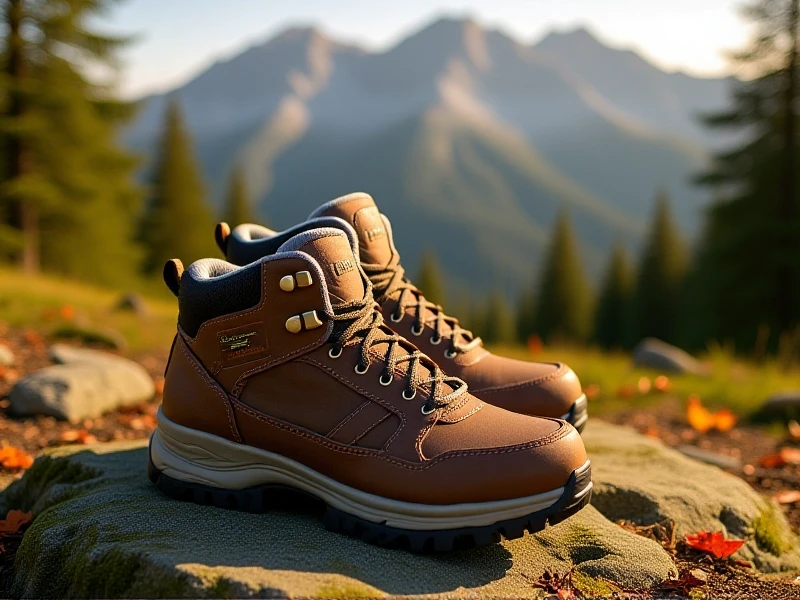
Find Your Perfect Trail Companion: Choosing Hitting Boots That Last
Venturing off the pavement demands gear you can trust, and nothing is more crucial than your foundation: your Hiking Boots. Whether tackling gentle woodland paths, challenging mountain ascents, or multi-day treks, a reliable pair makes all the difference. They shield your feet, provide stability on uneven ground, and carry you mile after breathtaking mile. But with so many options, how do you find your perfect match?
Understanding Your Boot Needs
Before you shop for Hiking Boots, consider where you'll use them most:
- Terrain: Smooth trails? Lighter boots (trail runners or hiking shoes) might suffice. Rugged, rocky terrain? Opt for more supportive, ankle-high Hiking Boots. Serious backpacking with heavy loads? Prioritize sturdy, stiff-soled backpacking boots.
- Distance & Load: Longer hikes or carrying heavier packs require boots offering more support and cushioning to combat fatigue and protect joints.
- Weather: Expecting frequent rain, mud, or stream crossings? Prioritize waterproof membranes like Gore-Tex. Hiking in consistently dry, hot conditions? Breathable, non-waterproof boots will keep your feet cooler.
Key Features of Quality Hiking Boots
Look for these essentials:
- Fit: This is non-negotiable. Always try boots on in the afternoon with your hiking socks. There should be enough room to wiggle toes, no excessive heel slip, no pressure points, particularly around the widest part of your foot. Walk on an incline if possible. Poor fit leads directly to blisters.
- Support & Stability: Midsoles provide cushioning and determine stiffness (support). Stiffer midsoles better handle rough terrain and heavy loads but need breaking in. Ankle support (height) varies; choose based on terrain and ankle strength needs.
- Traction Outsole: Deep, aggressive lugs made from sticky rubber compounds like Vibram provide grip on dirt, rock, and slippery surfaces. Look for pronounced heel brakes for descents.
- Durability & Protection: Quality leather (more durable, heavier) or synthetic fabrics (lighter, drier faster) with overlays protect your feet and the boot itself. Toe bumpers and heel counters shield against impacts.
- Water Protection: Waterproof/breathable liners are essential for wet conditions but can feel warmer. For known dry hikes, breathable, non-waterproof boots offer better ventilation.
- Weight: Lighter boots enhance agility; heavier boots offer enhanced protection and support. Find your balance point.
Safety and Care Matter
Good Hiking Boots also enhance safety. Proper traction prevents slips. Ankle support can minimize twists. Waterproofing keeps feet dry and warm, preventing hypothermia risks in cold weather.
Don't Forget the Care:
Extend the life of your investment! Clean off mud after hikes. Allow boots to air dry naturally away from direct heat. Reapply waterproofing treatment periodically (especially for leather). Store them in a cool, dry place.
The Right Hiking Boots Are an Investment
While top brands like Salomon, Merrell, Keen, Oboz, and Lowa make excellent Hiking Boots across categories, focusing on the right boot for your specific adventures is paramount. It’s about comfort, support, and reliability on the trail. Take the time to find your perfect pair – your feet (and your whole hike) will thank you for it! Next steps? Head to your local outfitter, bring your hiking socks, and get professionally fitted. The trail awaits.