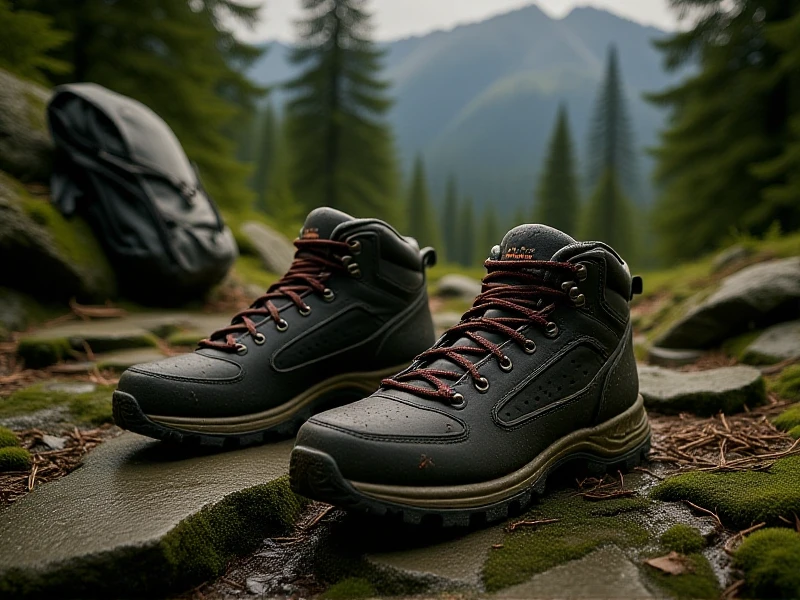
The Ultimate Guide to Choosing and Using Hiking Boots
Embarking on a hiking adventure starts with the right gear, and at the core of your setup are sturdy hiking boots. These essential pieces of footwear protect your feet from rough terrain, provide ankle support, and ensure all-day comfort. Whether you're tackling a day trail or a multi-day trek, investing in quality hiking boots can make or break your experience. After years of hitting the trails, I've learned that a good pair reduces fatigue, prevents blisters, and boosts your confidence on uneven ground.
When selecting hiking boots, focus on key features like fit, waterproofing, and traction. First, always get fitted in-store or measure carefully online—boots should feel snug but not tight, with room to wiggle your toes. Common options include lightweight boots for short hikes, mid-cut ones for moderate terrain offering added ankle stability, and rugged, heavy-duty boots for backpacking adventures. Materials matter too: leather or synthetic uppers both offer durability, and Gore-Tex linings keep feet dry in wet conditions. For traction, look for deep-lugged Vibram soles that grip mud, rocks, and slopes securely. During a recent trip, my waterproof hiking boots saved me from soaked socks during unexpected rain, proving that a little prep goes a long way.
Beyond choice, proper maintenance extends the life of your hiking boots. After each hike, brush off dirt and let them air dry indoors—never near direct heat to avoid cracking. Apply a conditioning treatment every few months to preserve materials and waterproofing. Store them in a cool, dry place to prevent odors. Remember, great hiking boots are an investment that pays off with every step.
In summary, hiking boots aren't just shoes; they're your foundation for exploring nature safely. Research brands like Salomon or Merrell for reliable options, and test them on local trails before committing. Happy hiking, and may your boots carry you to unforgettable views! ( 395)